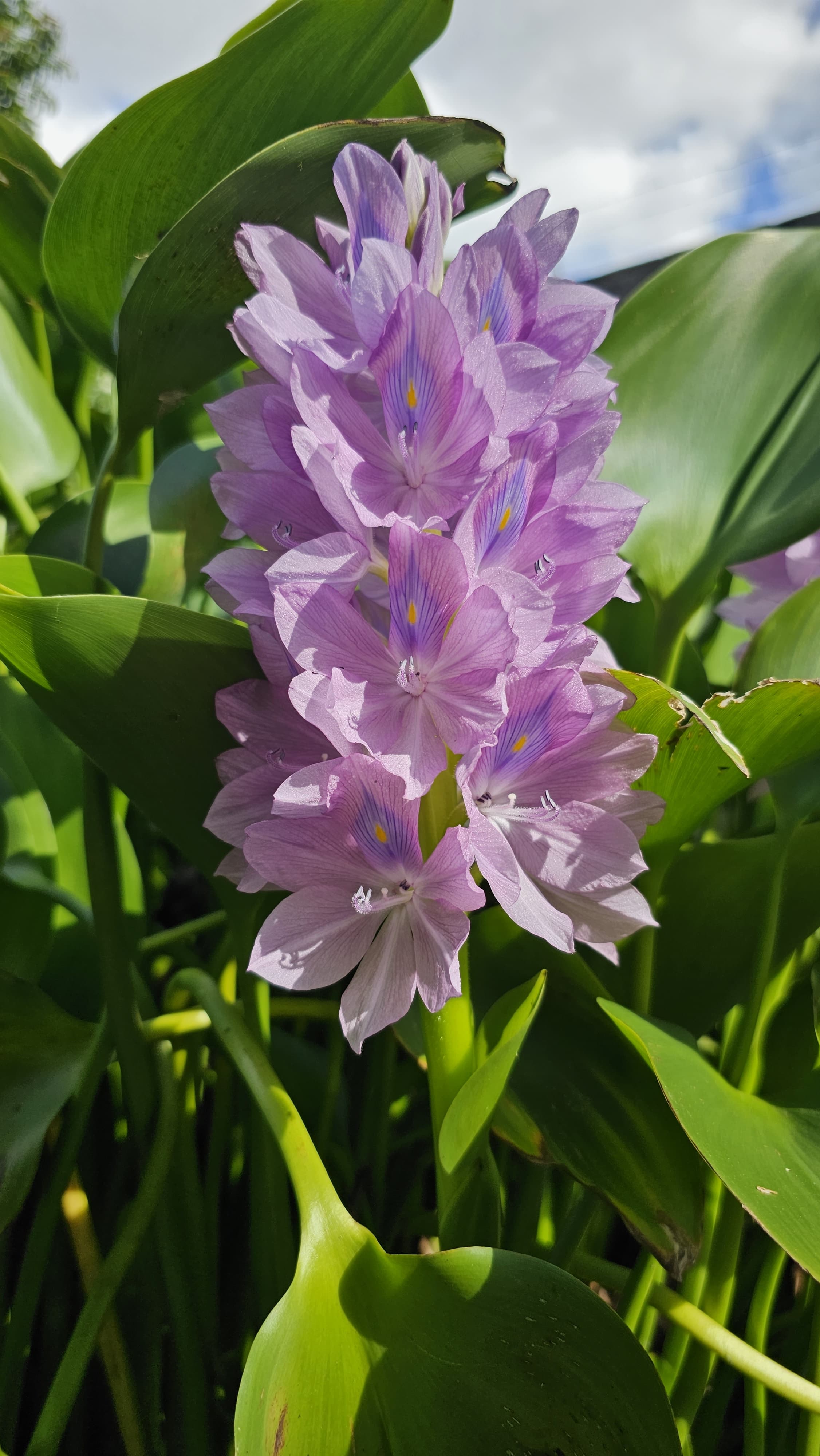
International Water Hyacinth Genomics Initiative
Collaboration Model
This initiative is designed to be a distributed and inclusive consortium.
- An open call for participation to research groups worldwide.
- Clear guidelines on data ownership, authorship, and acknowledgment.
- Opportunities for co-authored publications and thematic working groups.
- Regular communication through virtual meetings, workshops, and shared online platforms.
Participation levels are flexible, enabling contributors to engage based on their resources and interests.
Beyond initial data generation, the initiative aims to:
- Serve as a “living genomic resource”, continuously expanded with new samples and data.
- Integrate genomic information with ecological, climatic, and distributional data.
- Support training and capacity building, particularly in regions heavily affected by the invasion.
- Provide a model framework applicable to other invasive species.
Methodological Framework
Sampling Strategy
A coordinated sampling strategy will aim to cover:
- The native range of the species.
- Multiple invaded regions across continents.
- Diverse environmental and ecological conditions (multiple habitats).
To ensure data comparability, contributors will be encouraged to follow standardized sampling and preservation protocols. They will also be provided with detailed guidelines for tissue collection, DNA extraction, and storage.
Genomic Data Generation
The core genomic approach will be whole-genome sequencing (WGS) using either short- or long-read technologies. Depending on the available resources, the following sequencing strategies may be employed:
- Resequencing of multiple individuals across populations.
- Hybrid assemblies combining short and long reads.
Data Management and Curation
All genomic data will be: - Stored in a centralized database with standardized formats.
- Linked to comprehensive metadata records.
- Submitted, when possible, to public repositories (e.g., international nucleotide sequence databases), following FAIR data principles (Findable, Accessible, Interoperable, Reusable).
Quality control pipelines and documentation will be developed to ensure the reliability and reproducibility of the data.